
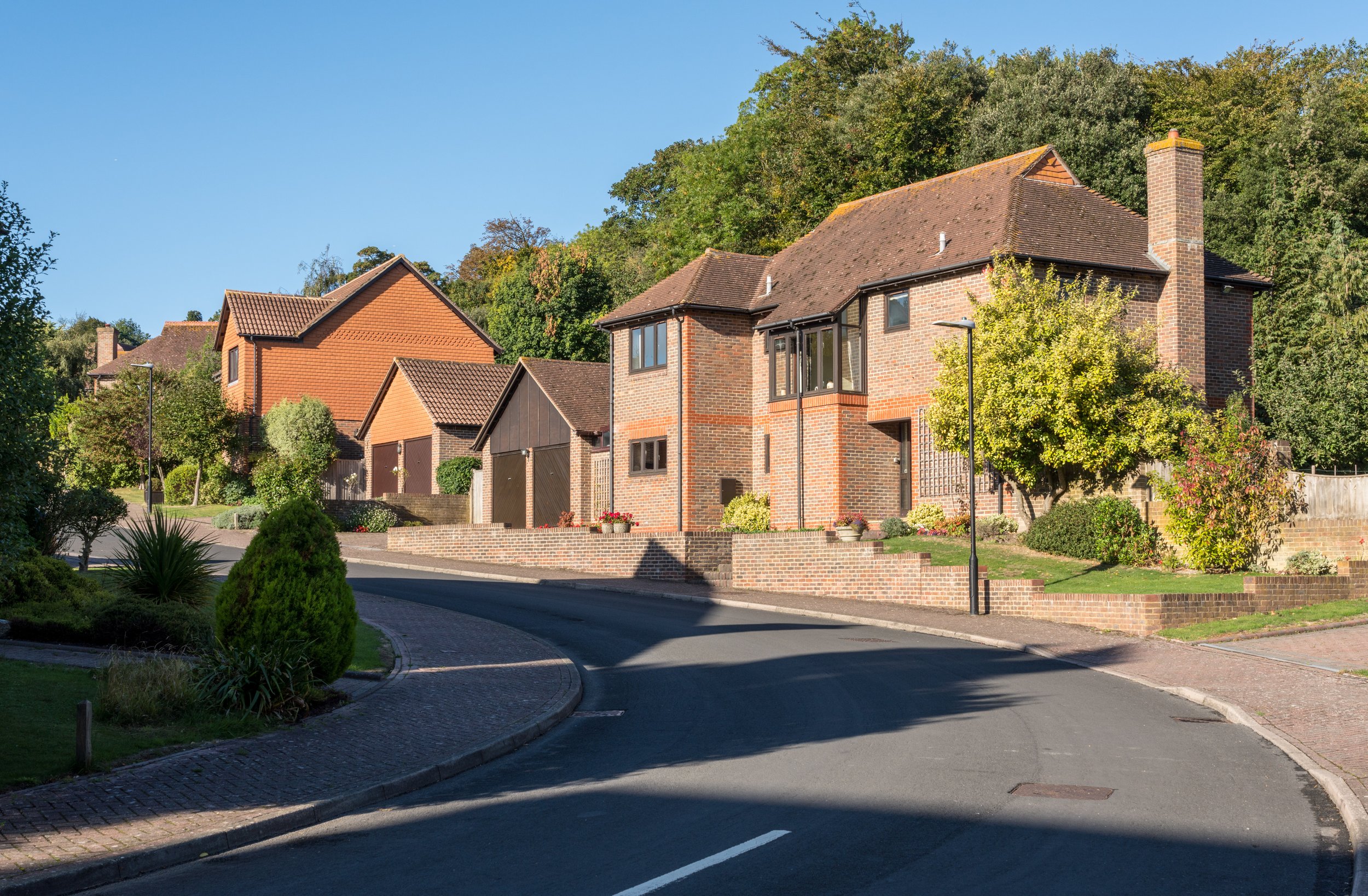
Can I Sell My House If My Extension Has No Planning or Building Approval?
Many homeowners only realise there is a problem with their extension when they come to sell.
A very common and stressful question is:
Can I sell my house if my extension has no planning permission or Building Regulations approval?
The short answer is yes, you can sell but it will almost certainly affect value, buyer confidence, and mortgage approval.
In some cases, it can derail the sale entirely.
This guide explains what happens in practice, how buyers and lenders respond, and what options you have if approvals are missing.
What Counts as “No Approval”?
An extension may be considered unapproved if:
Planning permission was required but never obtained
Permitted development limits were exceeded
Building Regulations approval was never applied for
No completion certificate was issued
Inspections were missed
Even if the extension has existed for years, missing paperwork still matters during conveyancing.
Can You Legally Sell a Property With an Unapproved Extension?
Yes, there is no law that prevents you from selling.
However:
You must disclose known issues to your solicitor
Buyers’ solicitors will raise formal enquiries
Lenders and surveyors will assess risk
Selling is possible, but the commercial and legal consequences are where problems arise.
How Buyers and Solicitors Treat Unapproved Extensions
During conveyancing, buyers’ solicitors typically ask for:
Planning permission or lawful development evidence
Building Regulations approval
Completion certificates
If these cannot be provided, the buyer may:
Renegotiate the price
Ask for retrospective approval
Require indemnity insurance
Walk away from the purchase
This is one of the most common reasons property transactions collapse late in the process.
Mortgage Lenders and Valuation Issues
Mortgage lenders are often less flexible than buyers.
If approvals are missing, surveyors may:
Value the house as if the extension does not exist
Refuse to count rooms as habitable space
Down-value the property
Flag the extension as unacceptable security
In some cases, the lender will decline the mortgage entirely.
More Questions?
What If the Extension Was Built by a Previous Owner?
his is extremely common.
Unfortunately:
Responsibility passes to the current owner
“We didn’t build it” does not satisfy solicitors or lenders
Missing approvals still affect value and risk
This is why early investigation is critical before listing your property.
How Nova Habitat Helps Homeowners Selling With Approval Issues
Nova Habitat supports homeowners by:
Reviewing planning and Building Regulations history
Assessing enforcement and lender risk
Advising on retrospective approval strategies
Coordinating regularisation or remedial works
Providing clear documentation for solicitors and buyers
To understand the scope of professional support available, see:
https://www.nova-habitat.co.uk/what-does-a-full-service-architectural-firm-actually-handle
To speak to the team directly, visit:
https://www.nova-habitat.co.uk/contact
Do you want to Learn more?
https://www.nova-habitat.co.uk/do-i-need-building-regulations-approval-extension-loft-conversion
https://www.nova-habitat.co.uk/do-i-need-an-architect-before-i-speak-to-a-builder
https://www.nova-habitat.co.uk/what-is-a-party-wall-agreement-and-do-i-need-one
What About Indemnity Insurance?
Indemnity insurance is often suggested as a “quick fix”
Protects the buyer and lender financially
Does not confirm legality or safety
Does not fix defects
Becomes invalid if the council is contacted
Some buyers and lenders accept it. Many do not.
It is not a substitute for proper approval.
Can I Get Retrospective Approval Before Selling?
Sometimes but not always.
Possible options include:
Applying for a regularisation certificate (Building Regulations)
Applying for retrospective planning permission
Carrying out remedial works
However:
Retrospective approval is not guaranteed
Inspections may require opening up completed works
Costs can be significant
What If the Extension Was Built by a Previous Owner?
This is extremely common.
Unfortunately:
Responsibility passes to the current owner
“We didn’t build it” does not satisfy solicitors or lenders
Missing approvals still affect value and risk
This is why early investigation is critical before listing your property.
Enforcement Risk During a Sale
If an unapproved extension comes to the council’s attention:
Enforcement action may follow
Retrospective applications may be required
Buyers may withdraw due to uncertainty
Planning Permission vs Building Regulations (Why Both Matter)
Many homeowners assume one approval covers the other.
It does not.
Planning permission controls whether the extension was allowed
Building Regulations control whether it was built safely
You may have:
No planning issue, but a Building Regulations problem
Or vice versa
Both are assessed independently during a sale.
For clarity, read:
https://www.nova-habitat.co.uk/what-is-the-difference-between-building-regulations-and-building-control
Official GOV.UK guidance:
https://www.gov.uk/building-regulations-approval
Planning Portal guidance:
https://www.planningportal.co.uk
FAQs
Do I need planning permission for an extension or loft conversion?
It depends on your property and the type of work. We assess this early and handle the planning process if required.
Do you cover London and areas outside London?
Yes. We’re London-based but work across the UK on extensions, loft conversions and new build projects.
Can you deal with building regulations and approvals?
Yes. We prepare building regulation drawings and coordinate the approval process as part of our service.